Aktualność
Cykl wykładów dr. Simona Smetsa (KULeuven)
Pracownia Literatury Renesansu, Katedra Historii Literatury Staropolskiej oraz Pałac Biskupa Erazma Ciołka (Oddział Muzeum Narodowego w Krakowie) zapraszają na cykl wykładów, które wygłosi dr Simon Smets (KULeuven) w dniach 3 - 5 listopada 2026
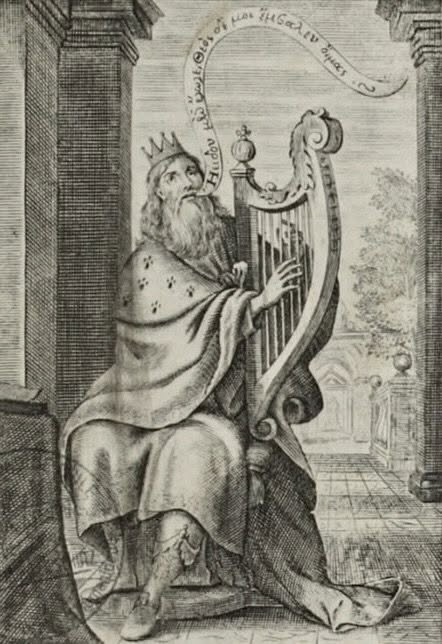
Humanist Letter Books: Archived Correspondences or Artful Collections?
Wtorek, 3 listopada 2026, godz. 13:15, ul. Grodzka 64, s. 302
Abstract: In this seminar, I will explore the tension between fifteenth-century letter collections as sources for (intellectual) history and the literary nature of these works. After a short and accessible introduction to the epistolary genre from Pliny to Poliziano, I will zoom in on Ficino’s letter collection as a carefully composed work with a distinct narrative arch. I will lay out arguments in favour of a disjointed reading approach to this work by pointing out how it benefited previous scholarship. However, I will also point out where an analysis based on a set of letters isolated from their broader context can lead to misinterpretations. We will look in detail at a selection of letters in translation to illustrate the larger point and take a step back to oversee how Ficino’s letters can be seen to develop from Book 1 to Book 12 of the Epistole.
Basinio da Parma’s Hesperis: Style, Story and History
Wtorek, 3 listopada 2026, godz. 16:45, ul. Grodzka 64, s. 302
Abstract: This class will focus on the epic poem Hesperis by Basinio da Parma. The poem, which dates to the fifteenth century, is the first finished historical epic in a Homeric-Vergilian vein since antiquity. In the class, we will focus on several aspects of Basinio’s literary techniques including versification, structural intertextuality, and the poem’s balance of myth and history. The illustrations in several of the fifteenth century manuscripts will be used to illustrate some of these elements. While the aim of the class is an introduction to Hesperis, the class will raise questions of stylistic canonicity and the usefulness of epic poetry as historiographical sources.
Aesthetic Communities in the Sixteenth Century: How Poetic Form Relates to Social Belonging
Czwartek, 5 listopada 2026, godz. 11:30, Pałac Bp E. Ciołka przy ul. Kanonicza 17
Abstract: In this lecture, I will turn to poetic form—in particular the use of meter—as an indicator of social belonging in a European context. I illustrate by means of Psalm paraphrases how poets preferred certain poetic forms in function of the milieu in which they usually operated. Regional, confessional, and educational identities will be brought to bear on this phenomenon through both close and distant reading techniques. The lecture aims to exemplify the usefulness of large corpus analysis—in this case through thousands of Psalm paraphrases—to identify literary trends. Because poetry was a ubiquitous form in the early modern period, it will not surprise that its developments affected other cultural areas, too. Therefore, the talk will end in a coda on musical history from France to the Holy Roman Empire with fragments to listen to by composers from France and Germany.
Informacje
Zobacz także
Romans rodzinny romantyków
Katedra Antropologii Literatury i Badań Kulturowych WP UJ zaprasza na zebranie 29 października 2026 w sali 302 o godz. 18 30 przy ul. Grodzkiej 64
Uwolniony głos. Archiwum dźwiękowe poezji
Katedra Teorii Literatury Wydziału Polonistyki UJ zaprasza na zebranie.
Wspólne zmęczenie. Na zapleczu recenzji
Katedra Krytyki Współczesnej Wydziału Polonistyki UJ serdecznie zaprasza na odczyt dr. hab. Tomasza Cieślaka-Sokołowskiego
Gala XXV edycji Ogólnopolskiego Konkursu im. Prof. Czesława Zgorzelskiego
Konferencja Polonistyk Uniwersyteckich oraz Wydział Literaturoznawstwa i Językoznawstwa Katolickiego Uniwersytetu Lubelskiego Jana Pawła II zapraszają na uroczystość wręczenia nagród i dyplomów.
Seminarium poświęcone działalności czasopisma "LektorzyMy"
Już 29 października 2026 r. o godzinie 18.00 czasu polskiego zapraszamy do udziału w otwartym seminarium dotyczącym działalności czasopisma lektorów i lektorek języka polskiego jako obcego “LektorzyMY” .