Międzynarodowe, interdyscyplinarne sympozjum „Razem dla dzieci. Jak wspierać rodziny i nauczycieli w pracy z dziećmi z autyzmem”
On December 6, 2025, at the Polish Social and Cultural Association (POSK) in London, which houses, among others, the Polish University Abroad (PUNO), a very interesting and important symposium took place: “Together for Children: How to support families and teachers in working with children with autism.” This event was organized as part of the project “Autism without borders: Support for children, parents, and Polish diaspora teachers,” implemented within the program “Support for activities promoting Polish language and culture in the world” and funded by the Senate of the Republic of Poland.
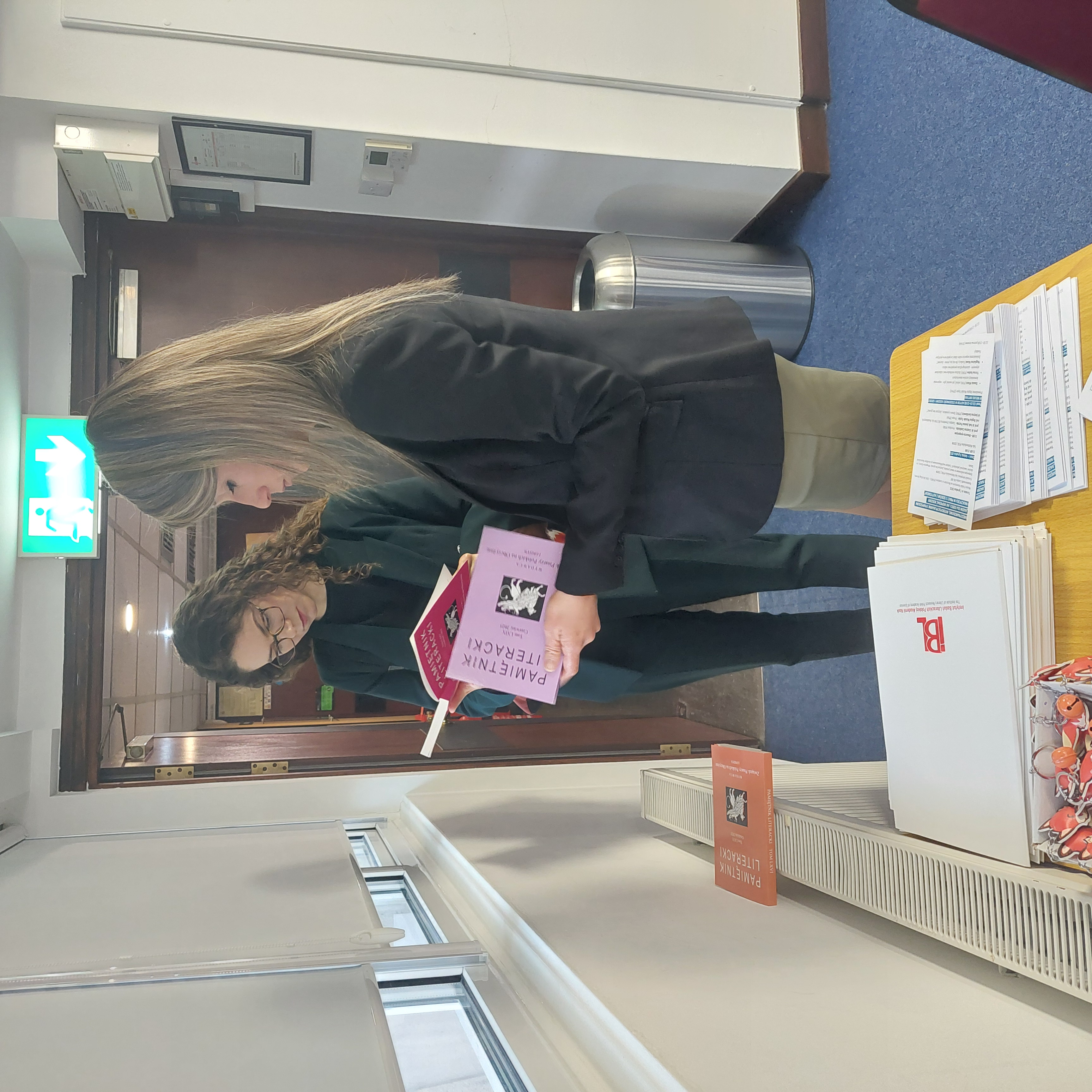
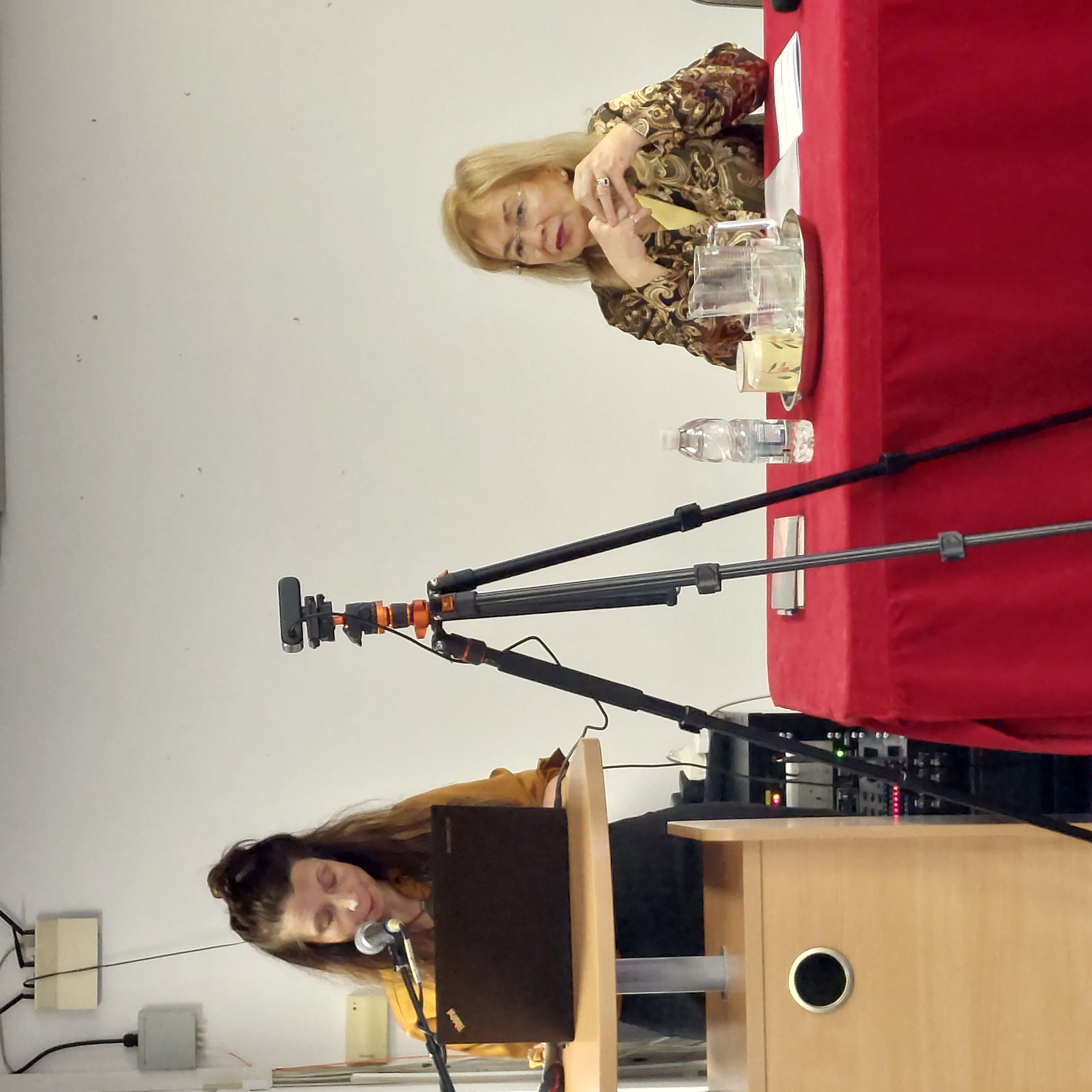
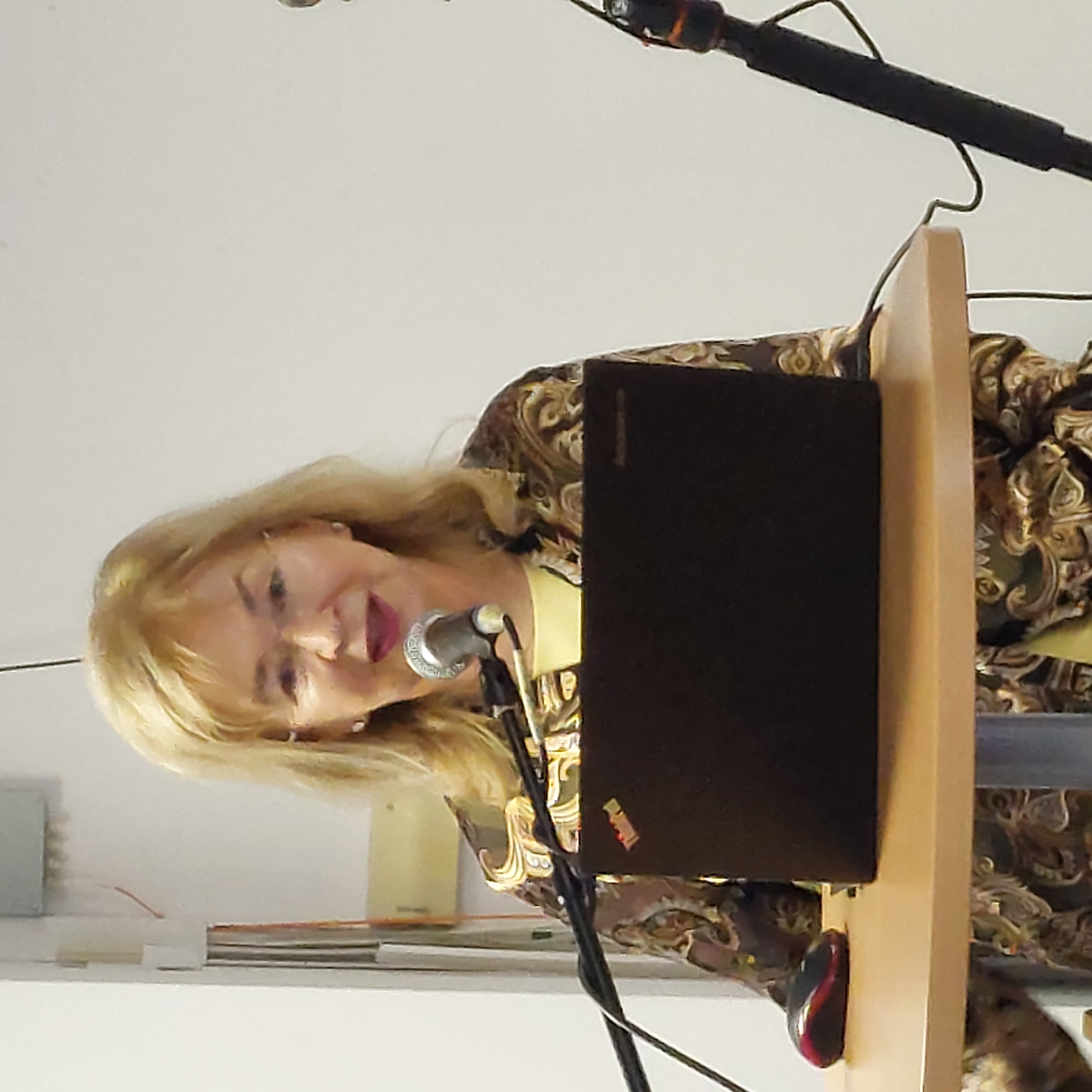
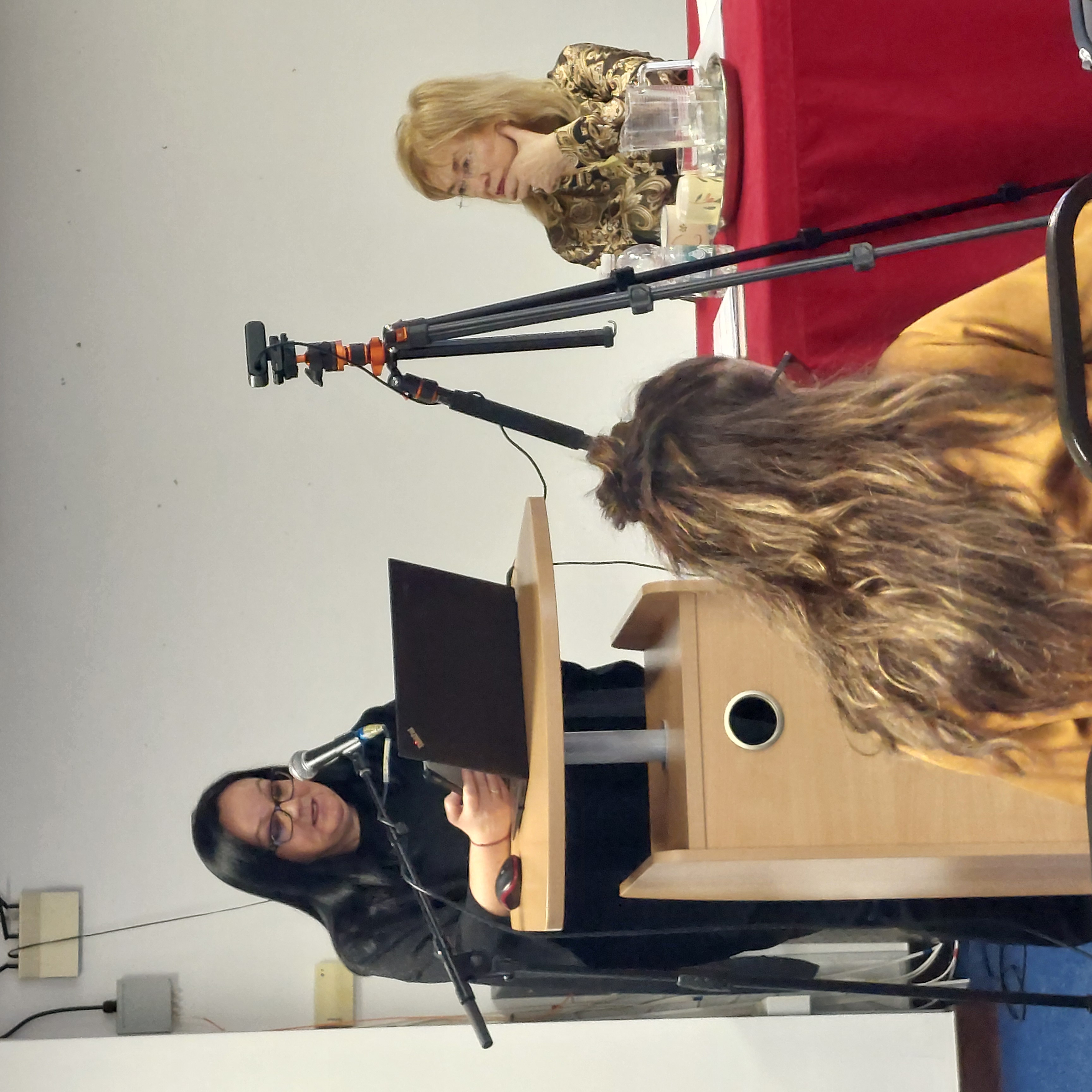
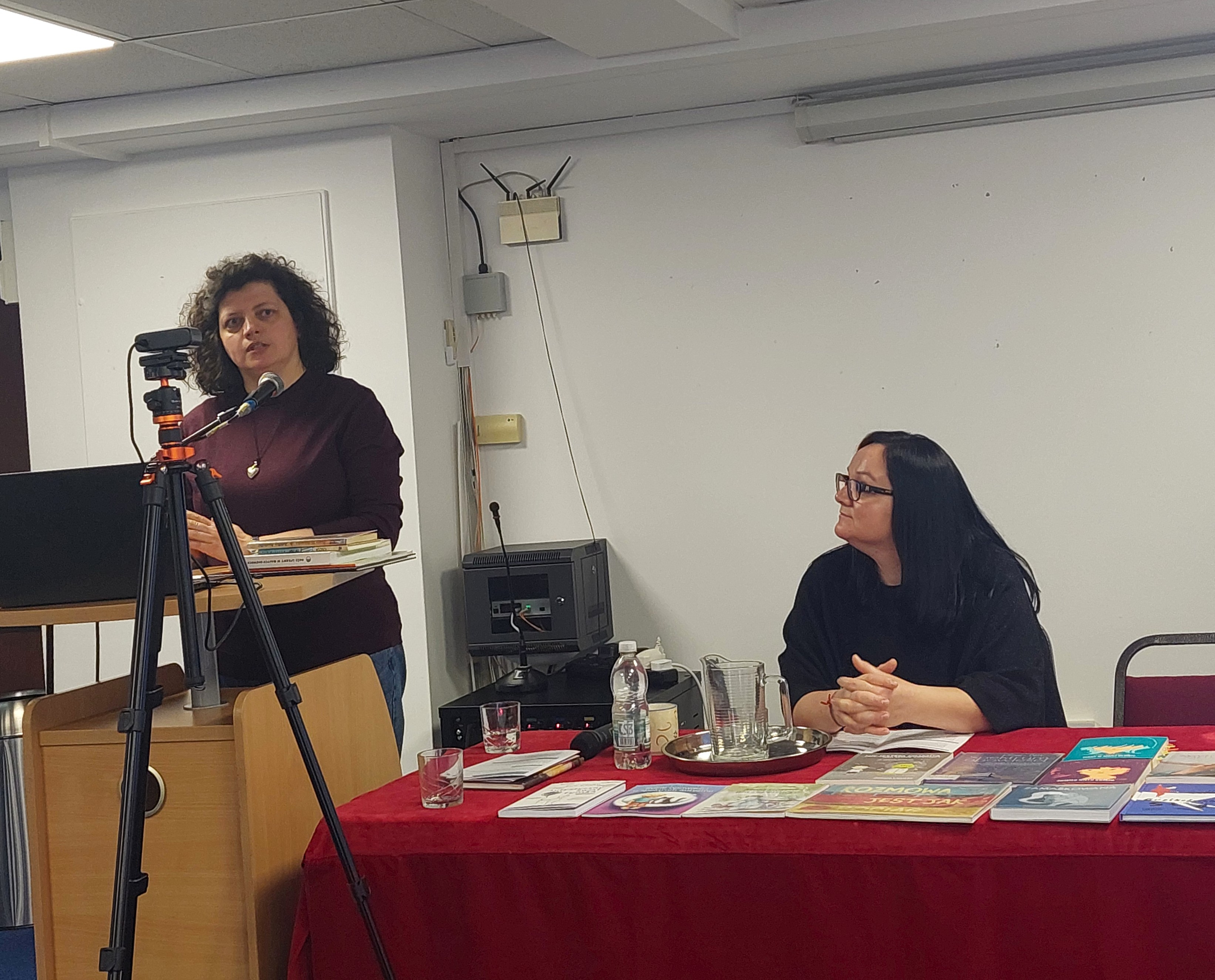
The symposium and the entire project were an attempt to meet the needs of parents of autistic children and teachers from Polish diaspora schools, who face various problems related to raising and educating children on the neurodiversity spectrum in British (and more broadly: multicultural) society. The organizers invited speakers with diverse experiences and educational backgrounds, resulting in an interesting polyphony centered on the child (and teenager) on the autism spectrum and their loved ones, who face various challenges and require different tools and forms of support.
More about the project itself, “Autism without borders: Support for children, parents, and Polish diaspora teachers,” was shared during the opening by its initiator and coordinator, Dr. Justyna Gorzkowicz. Regina Wasiak-Taylor, chair of the Union of Polish Writers Abroad, emphasized the international prestige of the event, which was attended by speakers from the Institute of Literary Research of the Polish Academy of Sciences (IBL PAN) and the University of Opole. She also noted the high level of interest in the project from experts, researchers, and teachers who joined the event online. On behalf of the Polish University Abroad, guests were welcomed by its Vice-Rector, Prof. Grażyna Czubińska, who stated that the proceedings would allow for a multi-faceted approach to autism and the creation of a network for exchanging experiences between researchers from the UK and Poland. Prof. Joanna Partyka, Deputy Director for Scientific Affairs at IBL PAN, also took the floor. In her welcome, she pointed out that in today's times, we must constantly work to help society overcome what is currently happening in the world. This is the goal of, among others, projects related to "engaged Polish studies," which focus on subjectivity, human individuality, and interpersonal contacts—such as the project implemented at IBL PAN, “Polish studies in the face of the challenges of the modern world.” The researchers involved in this project came to London to present their findings, convinced that it is necessary to speak about openness and accessibility in a world that excludes no one, and to show that Polish studies has something to offer the world, not just a narrow circle of domestic scholars.
Autism in the everyday life of the family and school in the UK
The first lecture by Danuta Włoch (PUNO), titled How to release the voice – supporting communication for non-verbal students, was devoted to various ways of establishing and developing communication in autistic children who have difficulties with verbal communication. Technological support is undoubtedly helpful in their case, whether in the form of various text editors or image-text applications. However, "low-tech" methods are equally effective, including sign language communication (such as Makaton) and Picture Exchange Communication Systems (PECS). Danuta Włoch also mentioned methods that seemingly have little to do with developing communication skills, such as yoga, animal-assisted therapy, or artistic creativity. These types of activities can, however, support emotional development and strengthen a sense of security and acceptance, which is of significant importance for finding an effective way of communication between an autistic child and their neurotypical environment.
In the next presentation, Dr. Teresa Naidoo (lecturer at the PUNO Faculty of Social Sciences in London and Head of the Department of African Studies), drawing on her own personal experience, presented the challenges as well as the unique opportunities arising from raising an autistic child in a multicultural family. Such families face cultural, linguistic, and systemic differences that complicate daily life. This is why open communication is so vital, not only with the child but primarily among (adult) family members, including the extended family. This often involves the necessity of sharing up-to-date knowledge (and thus prior self-education) to dispel doubts, break stereotypes, define expectations, and set boundaries.
The next speaker was Magdalena Wanat, founder of the "Nie bój się, jestem – Autyzm" (Don't Be Afraid, I Am Here – Autism) foundation, which aims to support families of children on the autism spectrum and/or with ADHD living in the UK. Wanat spoke about her personal experiences as a mother of an autistic child in emigration, the need to acquire extensive knowledge and many new skills, and navigating between various institutions that can support parents in raising and developing a child on the autism spectrum. It was these experiences and the know-how about the British system acquired over many years that became the foundation for establishing her own organization. It aims not only to provide practical information, assist in reaching various institutions, and help organize care, but also to integrate Polish diaspora families, creating opportunities for mutual support, exchange of experiences, and simply spending time together through various activities (picnics, workshops, organized trips, etc.).
Narratives of Otherness – Autism in Literature
The second panel (organized by the Institute of Literary Research of the Polish Academy of Sciences - IBL PAN) was devoted to literary and para-literary texts available in Polish that address the issues of neurodiversity.
Ewa Pakalska (in collaboration with Dr. Beata Koper), in the presentation Autism in Stories: Children and Adolescents on the Autism Spectrum as Protagonists and Recipients of Literary Texts, introduced the audience to books for young readers dealing with neurodiversity. Analyzing several selected titles (Jabłko Apolejki by Beata Wróblewska, Kosmita by Roksana Jędrzejewska-Wróbel, Inny niż wszyscy by Per Nilsson), she showed the methods literary creators use to describe protagonists on the autism spectrum, pointing out interesting as well as problematic writing strategies and plotlines. She also drew attention to authors of both literary and more guidebook-oriented texts who are themselves on the autism spectrum (e.g., Joanna Ławicka, Luke Jackson, Kasia Mazur, Elle McNicoll). Finally, she shared the reflection that although a surprisingly large number of book positions for young readers with autistic characters can be found, the vast majority are directed at neurotypical recipients (for integration and educational purposes); it is often overlooked that the audience for these stories also includes children and adolescents on the autism spectrum—with their diverse competencies, needs, and reading preferences.
The next lecture, "...close to me, yet somewhere far away": Narratives of Parents of Children on the Autism Spectrum, was given by Dr. Mariola Wilczak (in collaboration with Dr. Klaudia Muca-Małek) and was dedicated to the narratives of parents of autistic children, published as articles, on blogs, and in book form. The aim of the presentation was to show the value these care narratives bring to literary scholars, readers with diverse experiences, and the writers themselves (for whom writing about their experiences serves as a form of therapy). These autoethnographic stories from parents also draw attention to the problem of the "care crisis," providing insight into the gap between the support parents feel they need and the support that is actually available to them.
Wilczak also highlighted the coexistence of the social and the literary in these texts (e.g., in books by Eliza Kącka, Anna Niklewska, Katarzyna Michalczak). She emphasized the role of the parent as an interpreter and mediator who seeks contact with the autistic child on various levels, including non-linguistic ones. In her summary, she stressed the increasingly appreciated social, educational, and emancipatory role of such narratives. This is evidenced, among other things, by the reception of these stories and the opinions about them in the online space. Furthermore, based on conversations with parents and their stories, a report titled Proces diagnozy spektrum autyzmu u dzieci. Doświadczenia rodziców (https://pliki.impulsoficyna.com.pl/pliki/2025/Proces%20diagnoz_E-book_Impuls.pdf) was published in 2025 [The Process of Diagnosing the Autism Spectrum in Children: Parents' Experiences].
Mariola Wilczak also presented the project “Polish Studies in the Face of the Challenges of the Modern World,” funded by the Science for Society program. She outlined the grant's objectives, focusing on the bibliographic collections being created, which are dedicated to disability studies, medical humanities, and narrative medicine, among others. She also encouraged the symposium guests to participate in events organized by the project team, including online seminars, as well as to read articles in the “Polish Studies Newsletter” and listen to podcast episodes (available on the “Polish Studies Newsletter” YouTube channel) thematically related to the project.
* * *
The Polish Library in London was represented by Małgorzata Szkop, who invited symposium participants to make use of the library's offerings. A wide range of publications, including those concerning the autism spectrum, can be found in the institution's resources. Szkop rightly noted that autistic children and their families need not only up-to-date knowledge (scholarly and popular science works), support from specialists (guides, educational materials), and other parents (memoirs), but also ordinary literature: romances, crime stories, fantasy, or young adult novels that provide pleasant entertainment and a brief escape from everyday life.
The popular science portion of the symposium concluded with a presentation by Dr. Marta Głowacka (PUNO), which was dedicated to the challenges accompanying young autistic individuals on the threshold of adulthood. Using specific examples, the speaker emphasized that certain tasks or activities intended for an independent young person, which may seem obvious, can pose difficulties for those on the autism spectrum. Therefore, it is worth providing them with support, both in the form of informal actions and by utilizing the help of institutions and foundations working for neurodivergent individuals.
* * *
In the evening, the symposium participants were joined by Dr. Eliza Kącka, winner of the Nike Literary Award for the book Wczoraj byłaś zła na zielono [Yesterday You Were Angry in Green]. The meeting with her was hosted by Regina Wasiak-Taylor and Justyna Gorzkowicz, who noted at the outset that this book served as an inspiration for the project and the symposium.
Wczoraj byłaś zła na zielono is a record of the author's experiences as a mother raising an autistic daughter; it is an intimate story and, as the author herself said, an experience of "digging through memories," a "map of the memory and forgetting of us both"—herself and her daughter Dobromiła, the prototype for "Ruda." When asked about the genre of the book, which is genologically ambiguous, Eliza Kącka, from her perspective as a literary scholar, described it as "prose that autobiographizes," "prose of experience," speaking much about the perception of the world and personal experience. According to her, however, it is not autofiction, a novel, a prose poem, an essay, or a reportage.
Asked about her and her daughter's life after receiving the award, Eliza Kącka spoke about its reception, including positive and negative comments, with some accusing her that, as a mother, she should not involve herself in a story about such difficult and private matters as illness, disability, and the unpleasant experiences associated with them. The author was surprised, however, by the popularity of the book, which she feels is a niche work intended for a small number of readers.
During the meeting, the author also explained why the word "autism" never appears in her novel: "I very much wanted to release an unbiased vision of the states and situations in which we participate." Setting a diagnosis as a filter or a paradigm for the entire story causes us to perceive everything we talk about through it. She wanted people to experience this story not through a social or medical lens, but as something intimate and existential. She omitted certain names and terms not out of shame, but because doing so forms a different image of the fictional world.
During the meeting, Izabela Wilczyńska read a fragment of the award-winning book describing the figure of the fox and its role in Ruda’s life—for whom "he had more of a forest spirit in him than a rogue" and whom he made a "visionary of the forest." In the figure of the fox, the natural meets the social: an insight into nature and a very good sense of people, a recognition of intentions. It shapes an instinct of trust toward some people or distrust toward others, the ability to see non-social and non-verbal things.
* * *
The symposium was also accompanied by two workshops.
During the first, Art Therapy in Education and the Family – the Experience of Working with an Adolescent on the Spectrum, Urszula Walczak—a pedagogue and special educator specializing in oligophrenopedagogy with re-education, and Head of the Department of Health Sciences at PUNO in London—spoke about the art therapy classes she conducts. She noted that the process of establishing communication and strengthening bonds with her charges on the autism spectrum often takes a long time, and progress is not immediate and sometimes seems small, but only on the surface. This was proven by albums containing the artistic works of her students, showing gradual changes in the scale of emotional expression and the description of events experienced by these children. Walczak also demonstrated elements of her working methods by guiding the symposium participants through several artistic exercises.
The second workshop, led by Beata Koper and Ewa Pakalska, was an extension of the earlier presentation on the representation of the autism spectrum in books for children and young adults. Workshop participants analyzed selected fragments from several works of children's and youth literature whose creators wanted to introduce young readers to the specific nature of autism. They pointed out both interesting elements and those that seemed problematic, oversimplified, or schematic. They discussed the credibility of literary characters on the autism spectrum created by neurotypical authors. They drew attention to the inadequacy of descriptions concerning the specifics of autism and the almost complete absence in literature of autistic characters with (selective) mutism or reduced linguistic-cognitive competencies as full-fledged protagonists. One of the conclusions drawn by the workshop participants was the lack of texts addressed specifically to neurodivergent children with greater communication difficulties.
The symposium in London highlighted extremely important issues regarding the situation of children on the autism spectrum and their families. The speakers pointed out how vital it is to have a holistic approach to supporting families with children with autism, taking into account the diversity of their experiences and needs, ensuring comprehensive support, and building networks for the exchange of experiences and social integration. They also emphasized the role of literature and art in the therapeutic process and the need for diverse forms of representation of autism in literature and art. Literature can perform an emancipatory function, representing diversity and building understanding.
Such a comprehensive approach can realistically improve the daily functioning and quality of life for families raising children with autism.
Publication created as part of the project „Polonistyka wobec wyzwań współczesnego świata” ["Polish Studies in the face of the challenges of the contemporary world"], co-financed by the state budget under the program of the Minister of Science and Higher Education called "Science for Society II" (project number: NdS-II/SP/0264/2024/01).
Project website: https://biuletynpolonistyczny.pl/pl/projects/polonistyka-wobec-wyzwan-wspolczesnego-swiata,1851/details
We also encourage you:
-
to read the interview with Dr. Justyna Gorzkowicz, the initiator and co-organizer of the event;
- and to the podcast episodes concerning exhibitions in London devoted to disability and seen through the eyes of the symposium participants: Ewa Pakalska, Beata Koper, and Mariola Wilczak:
Informacje
ORCID: 0000-0003-1276-7156
Projekty badawcze:
-
Cyfrowa infrastruktura badawcza dla humanistyki i nauk o sztuce DARIAH-PL – w ramach Działania 4.2 Programu Operacyjnego Inteligentny Rozwój 2014-2020 (POIR), czas realizacji: 2021-2023, charakter udziału: wykonawca, wkład w tworzenie wartości niematerialnych i prawnych projektu, projekt afiliowany w: Poznańskie Centrum Superkomputerowo-Sieciowe afiliowane przy Instytucie Chemii Bioorganicznej PAN, kierownik grantu: Tomasz Parkoła.
-
Polonistyka wobec wyzwań współczesnego świata.
Zobacz także
Promocja książki o zaburzeniach u osób ze spektrum autyzmu
Otwórzmy świat. O komunikacji, zachowaniu i zaburzeniach u osób ze spektrum autyzmu
Wokół książki "Norwid żywy"
Polski Uniwersytet na Obczyźnie oraz Związek Pisarzy Polskich na Obczyźnie w Londynie mają zaszczyt zaprosić na sympozjum dotyczące obecności Norwida we współczesnym życiu literackim i społecznym. Przyczynkiem do spotkanie jest niedawno wydana wieloautorska monografia "Norwid żywy - kontynuacja”. Książka ukazała nakładem wydawnictwa PUNO Press dzięki staraniom ZPPnO oraz przy wsparciu Fundacji Museion Norwid w Warszawie.
V Ogólnopolska Konferencja Logopedyczna
19 listopada w Warszawie odbędzie się V Ogólnopolska Konferencja Logopedyczna Uczestnicy konferencji będą mogli zgłębić swoją wiedzę w takich obszarach, jak: metody diagnozowania i terapii logopedycznej dzieci z zaburzeniami autystycznymi terapia zaburzeń komunikacji, metoda krakowska, komunikacja alternatywna i wspomagająca Program konferencji: Panel 1 Metody diagnozowania autyzmu Wczesna diagnoza autyzmu Wywiad i obserwacja – cele i formy obserwacji dziecka Narzędzia wykorzystywane w badaniach przesiewowych i rozpoznawaniu ryzyka ASD Autyzm i zaburzenia podobne – różnice i przeciwieństwa PANEL 219 Metody terapii logopedycznej dostosowane do potrzeb pacjentów z zaburzeniami autystycznymi 1. Terapia zaburzeń komunikacji u dzieci autystycznych
Porozmawiajmy o Norwidzie w Londynie, czyli Rok Norwidowski w XLIV Liceum Ogólnokształcącym im. Stefana Banacha w Warszawie
W związku z Rokiem Cypriana Kamila Norwida, XLIV Liceum Ogólnokształcącym im. Stefana Banacha w Warszawie ma zaszczyt zaprosić na Międzynarodowe Sympozjum współorganizowane z instytucjami londyńskimi, Związkiem Pisarzy Polskich na Obczyźnie oraz Instytutem Kultury Europejskiej PUNO. Patronatem wydarzenie to objął „Biuletyn Polonistyczny” IBL PAN w Warszawie.